

Why would someone choose on‑demand cover?
On‑demand insurance can suit people whose life isn’t built around a set routine. If you mix sports, commute some days, work from home others, or take a couple of big trips a year, your risks aren’t necessarily the same every week.
Choosing on‑demand cover can help you:
- Match cover to your lifestyle. You’re paying for protection in the moments that matter most to you.
- Stay flexible. If you change jobs, move cities or pick up a new hobby, you’re not stuck in a policy that no longer fits.
- Keep things simple. Buying cover via an app or website, where key information is explained in plain language, can be easier to navigate.
What are the benefits of on-demand insurance?
On-demand insurance appeals to many insurance customers because it’s:
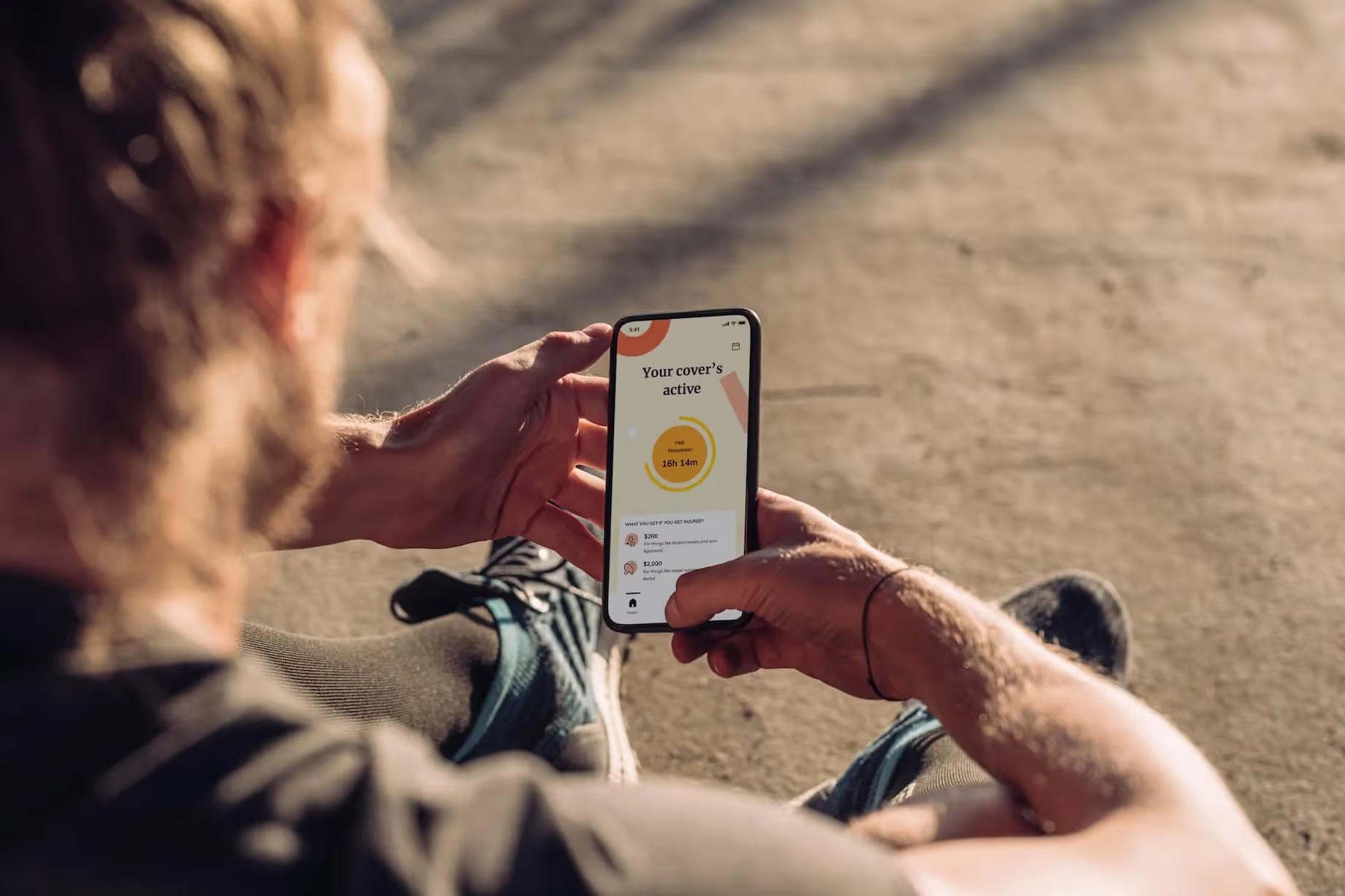
- Convenient: on-demand insurance is usually offered through digital channels. The upside of this is you can sort your insurance anywhere - on the bus, on the couch or right before your helicopter takes off to drop you heli-skiing. Almost everything of importance now lives in a smartphone - music, social connection, entertainment and shopping - so it’s natural you want your insurance to live there too.
- Fast: we’ve come to expect speedy delivery of products and services. Fast, paperless transactions are everywhere, and people are starting to expect this when buying insurance. On-demand insurers harness the power of technology to provide instant cover. They streamline the application and claims process because they know their customers value it.
- Simple: insurance can feel overwhelming when policies are full of fine print to wade through. On-demand insurers understand their customers value a simple approach. They focus on a more streamlined experience, using visuals and examples to help customers understand key features. Exclusions are provided in short lists that are easy to understand.
- Flexible: on-demand insurance has flexibility at its core. Customers can choose exactly what they want to cover and when they want the cover. People prefer customisable over one-size-fits-all approaches. They look for something that suits their fluctuating needs and can change to fit their lifestyle.
- Affordable: on-demand insurance may be cheaper because you only pay for cover when you need it. Many on-demand insurance companies offer cover by the day, by the item or by the kilometre, which may help reduce paying for unused cover.
How does Flip’s on‑demand insurance work?
In 2021, we launched Australia’s first on-demand accidental injury insurance. You can buy cover for the moments you need it, with cash paid directly to you on approved claims.
You can then use that cash however you want while you recover, for things like physio, transport, help with the kids, takeaway dinners or anything else that helps you get back on your feet.
Flip provides accidental injuries cover for:
- Everyday activities and sport: Flip Active can cover you or your kids for eligible accidental injuries in Australia and New Zealand, from a single day through to longer stretches or ongoing subscriptions.
- Groups and events: Flip Group Active is on‑demand cover that event organisers, clubs and businesses can put in place for their participants, members or staff for specific events, seasons or sessions.
- Overseas trips: Flip Roaming is accidental injury cover that can work alongside your travel insurance. It pays you cash if you have an eligible injury at a covered destination overseas, and reimburses eligible overseas medical costs for accidental injuries up to specified limits.
Each product has its own PDS, and it’s important to check the current document before you buy to make sure it’s right for you.
How does on‑demand accidental injury cover fit with other insurance?
On‑demand injury insurance is designed to complement, not replace, things like private health insurance or travel insurance. Health insurance is there to help with hospital and treatment costs. Travel insurance can help if your trip is cancelled, your bags go missing or you need emergency assistance overseas.
On‑demand accidental injury cover does something different: it pays you a lump‑sum cash benefit on approved claims if you suffer an eligible accidental injury, so you have a financial buffer while you recover. It can help with the wider impacts and unexpected costs of being injured.
For travel, Flip Roaming is designed to sit alongside travel insurance. It’s not travel insurance and doesn’t cover things like medical issues, cancellations or lost luggage, but it can add an extra financial buffer if you suffer an eligible injury in a covered destination.
A whole new way to think about insurance
It’s a big change. We’re used to either having insurance or not having insurance, so being able to turn your cover on and off and grab insurance cover for a day at a time takes a bit of getting used to. Explore our website to learn more, or click on the chat bubble to ask us a question.
.avif)
.avif)

.avif)
 .
. .
.


