


Important note: The statements made in this paragraph about the cover provided by Flip Insurance for accidental injuries and the amount of benefits payable relate to previous Flip Insurance products. Those products have been withdrawn and replaced with new Flip Insurance products, most recently on 15 April 2026, which has a different scope of cover for accidental injuries. These statements do not describe the scope of cover under that new product. Please refer to the current Product Disclosure Statement for details of that cover.
Why injury prevention matters
Around 19% of people who participated in sports in 2023–24 suffered an injury, leading to 62,100 hospital admissions. Out-of-pocket costs can exceed $29.8 billion every year for treatments, rehab and the sneaky extras Medicare doesn’t cover.
The thing is, even weekend warriors can cop a nasty knock, and simple mistakes are often the culprit. Matt sees it every week: “Most often, it’s a failure to respect your body’s current capacity and doing too much too soon. Many people jump straight back into high-intensity training or heavy lifting without prep,” he explains. This mismatch between ambition and readiness leads to countless preventable injuries.
Bron agrees: “Not paying attention or listening to your body is the number one mistake I see people make.”
Get moving, but do it smart
Having an active routine is great, but you have to do it right if you want to reduce your risk of injury.
Matt recommends dynamic stretching and activation drills, such as leg swings and walking lunges, to warm up. “This prepares the muscles, joints and nervous system for performance,” he says. “For the cooldown, a mix of light movement and static stretching works best.”
Bron’s approach is more intuitive: “Warm-ups and cooldowns depend on how I feel and what activity I’m doing. If I’m stiff, I’ll target the upper back first, then move through all areas with a mix of movement and stability. Cooling down can be as simple as legs up the wall to recover.”
Our experts both agree that good warm-ups involve active stretching, and good cool-downs prioritise recovery, not collapsing on the couch (tempting as it is).
Listen to your body: it whispers before it shouts
Injury prevention can be about tuning in before problems get big. Matt often sees fatigue ignored by clients eager to stick to a schedule. "Training on top of fatigue is an injury waiting to happen. Paying attention to energy levels, quality sleep and proper recovery is just as important as the training itself."
Bron emphasises presence and body awareness: “The more we consciously practice awareness, the better we get. Being present and tuning in to how I feel, and what is happening, is honestly the core of my own practice."
Ramping up? Remember, less can be more
Overdoing it is the classic injury trap, especially after a break. Matt suggests the 10% rule: "Only increase training volume, intensity or load by about 10% per week. It’s a powerful way to steadily improve and reduce injury risk.”
His clients who stick to gradual progressions not only stay injury-free, they eventually surpass their old performance. “A long-term mindset is crucial to maintaining mobility and staying injury-free.”
Kit up and check your space
Safety gear is key for keeping injury at bay. Matt flags overlooked risks like worn-out shoes or uneven ground. “Footwear and surface really matter. And don’t underestimate simple bits of kit like mouthguards, shin pads or resistance bands for activation. It all adds up.”
Bron notes that props in yoga, like blocks and straps, help maintain support and reduce strain. Strength, stability and flexibility are a winning trio, so don’t rely solely on just one.
Strength is your secret weapon
Matt is unequivocal: “Strength training IS injury prevention. It builds resilience in muscles, tendons and joints, reducing risk across sports and daily life. It’s vital at any age, but especially from mid-life onwards.”
Bron echoes this, emphasising awareness, consistency and self-compassion over heroics.
Quickfire injury prevention list
- Warm up with dynamic, activity-specific moves
- Cool down with light activity and stretching (not just lying down!)
- Progress gradually, aiming for no more than 10% increase each week
- Pay attention to energy, recovery, and quality sleep—don’t train through fatigue
- Use (and replace) proper footwear and protective equipment; check your training surface
- Build a consistent strength routine, whatever your age
- Practise awareness—tune in, be present, listen to your body
Injury prevention beats cure (and costs less)
There’s no magic bullet to avoid injury, but good habits, a little patience and the right mindset can help. As Matt and Bron both show, preventing injuries comes down to respecting your body, progressing mindfully and remembering to pause when needed.
And while prevention is always the first line of defence, even the most careful mindset can’t guard against every fluke accident or surprise tumble. That’s where Flip steps in, to offer some protection for those moments you just can’t predict, providing fast, flexible accidental injury insurance so you can get back on your feet (and back out there) sooner. Peace of mind, so you can move through life with confidence. Always read our PDS to see if Flip is right for you.
About our contributors

Matt Chisari, Physiotherapist
Working at The Alignment Studio, Matt Chisari is a Melbourne-based physiotherapist with expertise in musculoskeletal rehabilitation and postural dysfunction. With experience in both private practice and NDIS settings, Matt combines evidence-based treatment with a focus on long-term wellbeing. He's passionate about educating people on the everyday habits that can bring about lasting improvements in physical health.
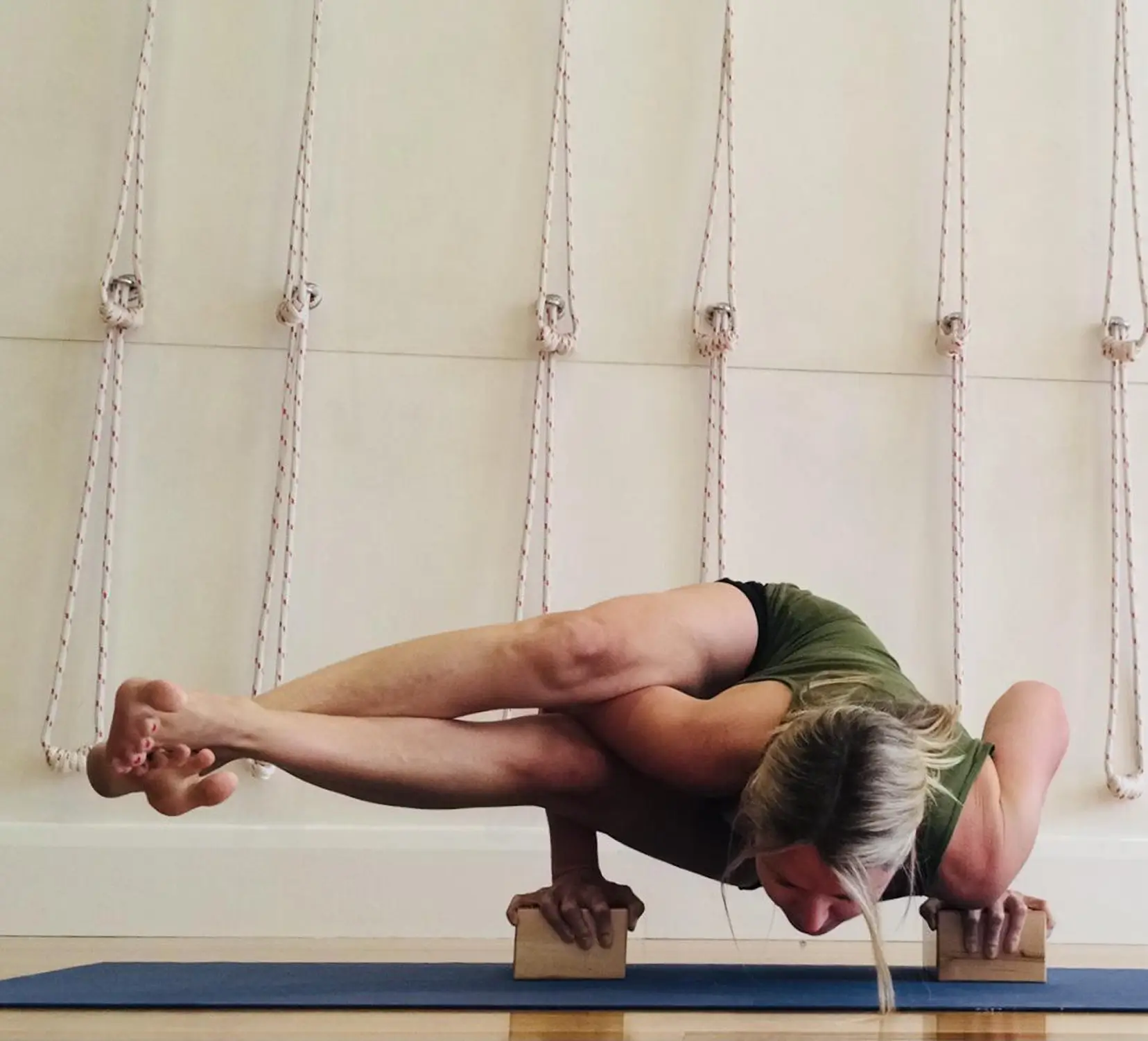
Bronwyn Rust, Iyengar Yoga Teacher
Bronwyn Rust is a senior teacher and director at Yogaville, a boutique Yoga school in Melbourne. With extensive training and certification to the internationally recognised Iyengar Yoga standard, Bronwyn is known for her supportive and insightful teaching style. She is passionate about developing her students' body awareness and resilience, drawing on decades of experience to help people move better, prevent injuries and build long-term wellbeing.
1. Source: Australian Institute of Health and Welfare.
.avif)
.avif)

.avif)
 .
. .
.


